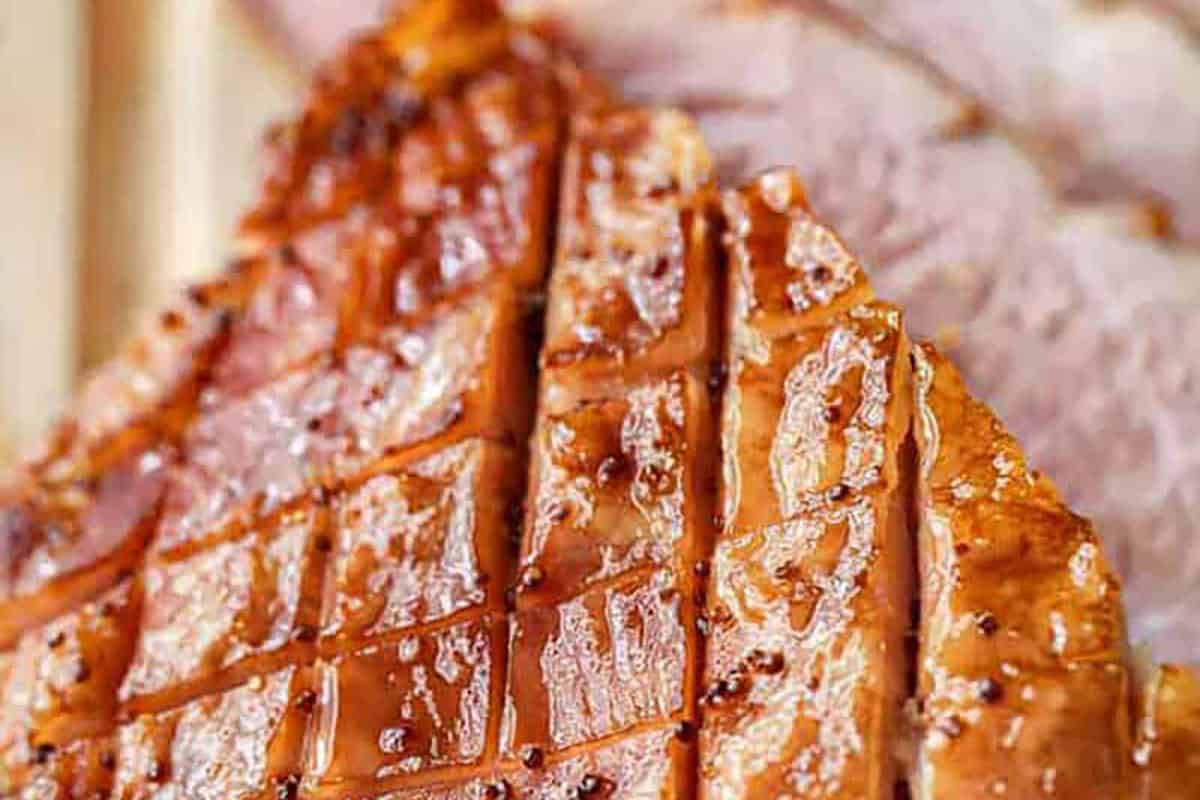
Easy Homemade Ham Glaze: Say Goodbye to Store-Bought Packets
For many, the sight of a gleaming, perfectly roasted ham takes center stage at holiday gatherings, be it Christmas, Easter, or even a festive Thanksgiving. It's a culinary beacon, promising savory, tender slices that embody celebration. Yet, for all its glory, the difference between a good ham and a truly unforgettable one often comes down to one crucial element: the glaze. If you've been relying on those pre-packaged ham glaze packets, you’re about to discover a world of flavor, depth, and simplicity that will forever change your holiday ham game. Crafting a superior
ham glaze recipe at home is not just easy; it’s transformative, ensuring every bite is imbued with rich, balanced sweetness and a delightful tang.
Why Homemade Ham Glaze Reigns Supreme
Imagine a glaze that isn't just sticky sweetness but a harmonious blend of flavors, caramelizing beautifully on the ham’s exterior, locking in moisture, and adding an irresistible sheen. That's the power of a homemade ham glaze. Unlike store-bought packets, which often contain high fructose corn syrup, artificial colors, and minimal actual flavor, a DIY ham glaze puts you in complete control.
With a homemade
ham glaze recipe, you dictate the ingredients, ensuring freshness and quality. You can adjust the sweetness, introduce savory notes, or add a zesty tang to perfectly complement your ham. This level of customization is impossible with a packet. Furthermore, the process is surprisingly quick, often taking less than 15 minutes to prepare. The payoff? A show-stopping main dish that will impress guests and become a cherished family tradition. It’s an investment of minimal effort for maximum flavor and presentation, proving that you don't need a complicated approach to achieve extraordinary results.
The Foundation of a Fantastic Ham Glaze Recipe: Simplicity Redefined
You might envision elaborate steps and a lengthy ingredient list when you hear "glaze," but some of the most impactful glazes are incredibly straightforward. At its core, a truly excellent
ham glaze recipe relies on just a few key components to deliver a sweet, tangy, and visually appealing finish. This minimalist approach often centers around a trio of brown sugar, mustard, and a liquid.
*
Brown Sugar: This is the workhorse of your glaze, providing that signature sticky sweetness and facilitating the beautiful caramelization that makes ham so appealing. The molasses content in brown sugar gives it a deeper, more nuanced flavor than white sugar.
*
Mustard: Often overlooked, mustard is the secret ingredient that balances the sweetness. It introduces a piquant, tangy note that cuts through the richness of the ham and prevents the glaze from becoming cloyingly sweet. Dijon mustard is a popular choice for its sharpness, but whole grain or even a good yellow mustard can work depending on your desired flavor profile.
*
Liquid: While many recipes call for specific juices or even sodas, the liquid's primary role is to bring the glaze to the right consistency. A little water is perfectly sufficient, as the brown sugar and mustard do the heavy lifting in terms of flavor. However, this is also an opportunity for subtle customization. For a truly simple yet effective glaze that will transform your holiday ham with ease, check out our guide on
Ingredient Ham Glaze: Transform Your Holiday Ham with Ease.
While a basic water base works, don't hesitate to experiment with different liquids if you want to add a whisper of additional flavor. Pineapple juice, orange juice, or apple juice can lend a fruity undertone without overpowering the ham. For a brighter, more assertive tang, swap some or all of the water for apple cider vinegar. Even beer, cola, or spiced rum can introduce intriguing layers of flavor, evaporating during cooking to leave behind only their aromatic essence. The beauty is that the core flavors of brown sugar and mustard are so robust that the liquid choice only needs to be a supporting act, not the star.
Elevating Your Ham Glaze Recipe: Layers of Flavor for Special Occasions
While the simple three-ingredient glaze is undeniably effective, there's also an art to building layers of flavor for a truly memorable, multi-dimensional ham. This doesn't mean complexity; it means thoughtful additions that deepen the profile without making the process arduous. Think of it as moving from a delicious, weeknight meal to a show-stopping holiday feast.
A common approach involves introducing a blend of sweeteners, fresh aromatics, and carefully selected spices. Combining brown sugar with honey, for instance, offers a richer, more complex sweetness. Honey brings its own distinct floral notes and a different viscosity, contributing to a wonderfully sticky, gleaming finish. For those aiming to achieve deep flavor and perfect sweetness, our comprehensive guide on the
Best Ham Glaze Recipe: Achieve Deep Flavor & Perfect Sweetness provides excellent insights.
*
Butter: Starting your glaze with a sautéed aromatic in butter adds an incredible depth. Butter provides richness and helps to carry flavors beautifully throughout the glaze.
*
Fresh Garlic: Minced fresh garlic, gently sautéed in butter until fragrant, introduces a savory counterpoint that brilliantly offsets the glaze's sweetness. This is a game-changer! Resist the urge to use jarred garlic, as its flavor can be harsh and metallic. Fresh garlic mellows as it cooks, infusing the glaze with a subtle warmth that elevates every bite.
*
Citrus: Beyond the base liquid, fresh citrus can significantly brighten your glaze. Freshly squeezed orange juice or a touch of lemon juice can add a vibrant zest. For an even more intense citrus punch, consider adding a pinch of grated orange or lemon zest; the oils in the zest carry a more potent aroma than the juice alone.
*
Spices and Alcohol: This is where you can truly personalize your
ham glaze recipe. Common ham-friendly spices include ground cloves, cinnamon, ginger, or even a tiny pinch of cayenne pepper for a subtle warmth that won't make it spicy. For a luxurious, celebratory touch, a splash of bourbon, rum, or brandy can introduce sophisticated notes. The alcohol evaporates during cooking, leaving behind only its rich, complex essence, making the ham feel truly special and festive. These additions, while not strictly "three ingredients," are still remarkably simple to incorporate and yield astounding results, making your ham the star of any table.
Glazing Your Ham to Perfection: Tips & Tricks for Any Ham
Once you have your perfected
ham glaze recipe, applying it correctly is key to achieving that desirable golden-brown crust and maximum flavor. The beauty of these homemade glazes is their versatility; they work wonderfully on virtually any baked ham, whether it’s bone-in, boneless, spiral-cut, or even a partially cooked ham that needs a flavorful finish.
*
When to Apply: The ideal time to start glazing your ham is typically during the final 30 to 60 minutes of cooking. Applying it too early can cause the sugar in the glaze to burn before the ham is fully heated through. For a 10 to 15-pound ham, this timeframe usually allows for several applications, building up layers of delicious crust.
*
Application Method: Use a pastry brush to apply the glaze evenly over the entire surface of the ham. For spiral-cut hams, ensure you get some glaze into the cuts, as this allows the flavors to penetrate deeper. Baste the ham every 10-15 minutes during the last portion of cooking. This frequent basting helps to build a thick, glossy, caramelized layer and keeps the ham moist.
*
Adjusting for Ham Size: Most glazes, including the simpler ones, make enough for a standard 10-15 pound ham. If you're working with a larger ham, consider scaling up your
ham glaze recipe by 1.5 or even doubling it to ensure ample coverage and multiple basting opportunities. Conversely, for smaller hams, you might want to halve the recipe to avoid excess.
*
Achieving the Perfect Sheen: The high sugar content in glazes, combined with the heat of the oven, will naturally create a beautiful, glossy finish. If your glaze seems too thick to spread easily, you can gently warm it on the stovetop or thin it with a tablespoon or two of your chosen liquid. If it's too thin, a quick simmer can reduce it slightly. Watch your ham carefully during the final glazing period; if it starts to brown too quickly, you can loosely tent it with foil.
With these practical tips, you’re well-equipped to transform any ham into a holiday masterpiece, leaving those store-bought packets a distant memory. The confidence of knowing you’ve created something so delicious from scratch will taste almost as good as the ham itself.
Conclusion
Making your own ham glaze is a simple step that yields monumental results. It's about taking control of your ingredients, injecting fresh, vibrant flavors, and crafting a culinary experience that truly stands out. Whether you opt for a minimalist three-ingredient approach or layer in additional aromatics and spices, the difference between homemade and store-bought is undeniable. This holiday season, ditch the packets and embrace the ease and superior taste of a homemade
ham glaze recipe. Your family and friends will savor the difference, and your holiday ham will become a legend.