Unlock Unforgettable Flavor: The Ultimate Ham Glaze Recipe for Perfect Sweetness and Deep Taste
There's an undeniable magic that a beautifully glazed ham brings to the table. Whether it's the star of your holiday feast – be it Christmas, Easter, or even a festive Thanksgiving spread – or the centerpiece of a special Sunday dinner, a perfectly cooked ham, adorned with a glistening, flavorful crust, signals celebration. For many, the aroma alone evokes cherished memories of family gatherings, laughter, and abundant food. While a good quality ham is a fantastic foundation, it's the humble ham glaze that truly elevates it from simply "good" to "show-stopping magnificent." Forget bland, forget dry; with the right easy homemade ham glaze, you're about to achieve deep, complex flavors and an irresistible sweetness that will have everyone asking for your secret. You might envision a complicated culinary endeavor when you hear "glaze," picturing endless ingredients, precise temperatures, and intricate steps. But allow us to dispel that myth. The best ham glaze recipes are often surprisingly simple, relying on a few key ingredients to create a symphony of sweet, savory, and tangy notes. Having graced countless holiday tables and savored slices from many a succulent ham, we've learned that you don't need much to transform a quality ham into an extraordinary culinary experience. A well-crafted glaze is all it takes to impart a stunning sheen, infuse the outer layers with incredible taste, and provide that perfect counterpoint to the ham's inherent saltiness.Why a Homemade Ham Glaze Reigns Supreme
In a world saturated with convenience foods, it's tempting to reach for a pre-made glaze packet. However, once you experience the superior depth and nuanced flavors of a homemade ham glaze, you'll understand why it's a game-changer. Beyond the obvious avoidance of artificial flavors, colors, and preservatives often found in store-bought options, crafting your own glaze offers unparalleled control over the taste profile. You can adjust the sweetness, amplify the tang, introduce aromatic spices, or even add a sophisticated boozy kick, tailoring the glaze precisely to your preferences. The secret to a truly spectacular ham lies in these fresh, vibrant ingredients. Imagine the bright zing of freshly squeezed orange juice, the rich warmth of brown sugar, the pungent kick of Dijon mustard, and the aromatic depth of fresh garlic. These elements, working in harmony, don't just add a superficial layer of flavor; they penetrate the outer crust of the ham, creating a caramelized exterior that is both visually appealing and incredibly delicious. This hands-on approach to your ham glaze recipe isn't just about cooking; it's about crafting a memorable centerpiece that truly reflects the care and effort you put into your festive meals. The satisfaction of knowing you’ve created something so flavorful from scratch is a reward in itself, proving that sometimes, the simplest efforts yield the most profound results.Crafting Your Perfect Ham Glaze: The Core Ingredients for Deep Flavor
The foundation of any exceptional ham glaze recipe lies in a thoughtful combination of sweet, savory, and acidic elements. Let's explore the key players that contribute to that coveted deep flavor and perfect sweetness.Sweeteners: The Heart of the Glaze
A blend of sweeteners often yields the most complex and satisfying results. Brown sugar is a classic choice, offering a rich, molasses-like depth that plain white sugar can't replicate. Its subtle caramel notes beautifully complement the smoky ham. Many recipes also incorporate honey, which adds a distinct floral sweetness and a lovely stickiness that helps the glaze adhere and caramelize. Using both provides a layered sweetness that's far more interesting than just one. If you're looking for alternatives, coconut sugar can be a fantastic substitute for brown sugar, offering a similar depth with a slightly different nuance.
The Liquid Component: Adding Brightness and Balance
While some simple glazes use just water, the liquid you choose can subtly (or not so subtly) influence the final flavor. Many traditional ingredient ham glaze recipes call for fruit juices like pineapple, orange, or apple. These don't just add moisture; they introduce a hint of acidity that beautifully balances the sweetness and cuts through the richness of the ham. Freshly squeezed orange juice, in particular, offers a vibrant, bright flavor that can elevate the entire glaze. If you desire a more pronounced citrus note, consider adding a touch of orange zest to your glaze – the oils in the zest carry intense aroma and flavor without adding extra liquid. For a tangier glaze, swapping some or all of the water for apple cider vinegar works wonders. And for those seeking an adventurous twist, liquids like beer (a stout or lager can add malty notes), soda (like cola for a spiced, caramel undertone), or even spiced rum can contribute unique and delicious dimensions of flavor.
Savory & Aromatic: The Unsung Heroes
- Mustard: Often considered the "heavy lifter" in a ham glaze, mustard (Dijon or whole grain are excellent) is indispensable. It provides a sharp, tangy counterpoint that prevents the glaze from becoming cloyingly sweet, adding a much-needed savory depth and a subtle spicy kick.
- Garlic: Freshly minced garlic is a non-negotiable for an incredible ham glaze. Unlike jarred garlic, which can have a harsh, acrid taste, fresh garlic delivers a pungent, aromatic warmth that grounds the sweetness and adds significant savory complexity. Sautéing it briefly in butter before adding other ingredients helps to mellow its sharpness and deepen its flavor.
- Butter: A small amount of butter adds richness, helps carry the flavors, and is perfect for gently sautéing the garlic, softening its edge and ensuring it integrates seamlessly into the glaze.
Optional Enhancements: Elevating the Experience
For an extra layer of sophistication and festivity, consider adding a splash of bourbon. While entirely optional, bourbon introduces a wonderful depth and warmth, creating a truly special occasion feel without overpowering the other flavors. Beyond bourbon, warm spices like ground cloves, cinnamon, a pinch of nutmeg, or even a touch of smoked paprika can add an aromatic dimension that sings with the ham.
Mastering the Glaze Application: Tips for Success
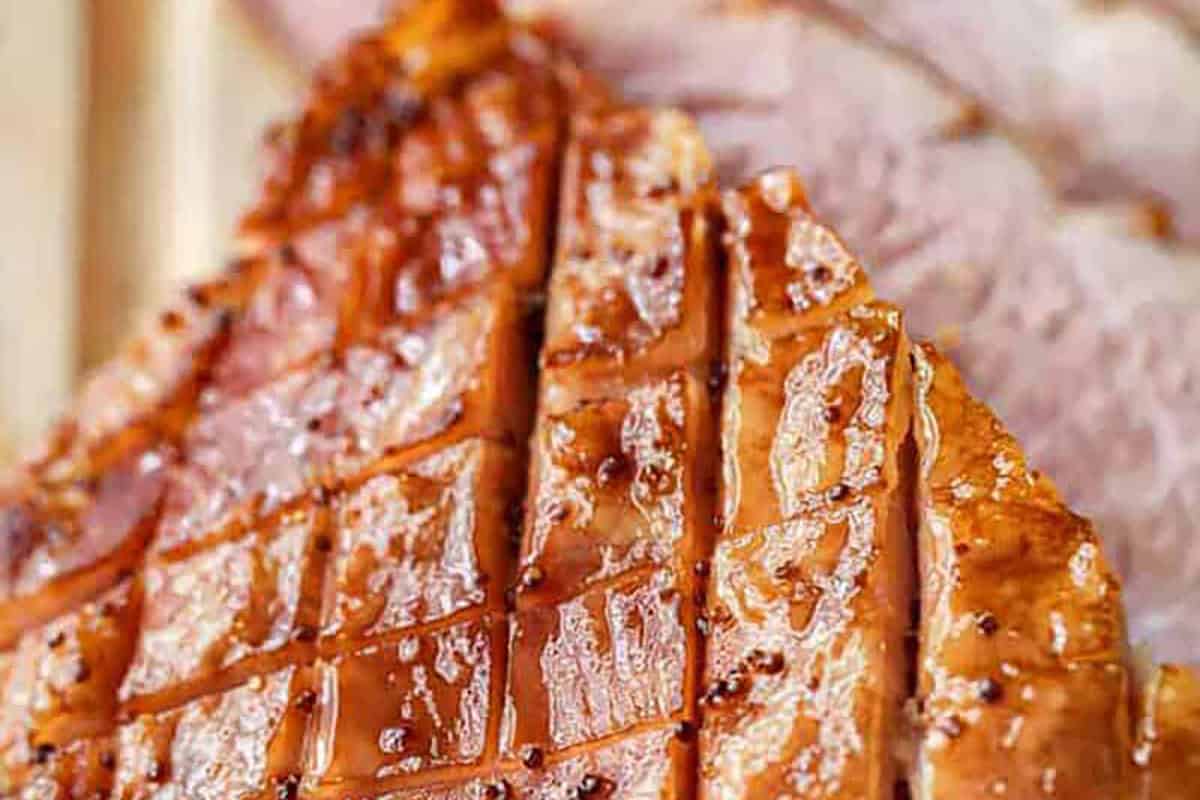
Creating the perfect ham glaze recipe is only half the battle; knowing how to apply it for maximum impact is crucial for achieving that irresistible caramelized crust and deep flavor.- Prepare Your Ham: Most hams come pre-cooked, requiring only reheating. Always follow the package instructions for your specific ham (bone-in, boneless, spiral-cut, partially cooked). For an extra touch, you can score the surface of the ham in a diamond pattern before applying the glaze. This not only looks elegant but also allows the glaze to seep into the meat more effectively. Some prefer to stud the ham with whole cloves in the center of each diamond for an aromatic flourish.
- Timing is Everything: The key to a beautifully caramelized, not burnt, glaze is to apply it towards the end of the cooking process. Typically, you'll start glazing in the final 30-60 minutes of the ham's total cooking time. This allows the sugars in the glaze to caramelize and form that desirable crust without scorching.
- Layer by Layer: Don't just dump all the glaze on at once. Apply a generous first coat using a pastry brush, ensuring full coverage. Return the ham to the oven, then re-glaze every 10-15 minutes until the cooking time is complete. This layering technique builds up that gorgeous, sticky, flavorful crust.
- Adjust for Ham Size: Our recommended ham glaze recipe typically makes enough for a 10 to 15-pound ham. If you're preparing a larger ham, simply scale up the ingredients proportionally to ensure you have ample glaze for multiple applications.
- The Final Touch: Once glazed and cooked, remove the ham from the oven and let it rest, loosely tented with foil, for 15-20 minutes before slicing. This allows the juices to redistribute, ensuring a tender, moist ham, and allows the glaze to set even further.
